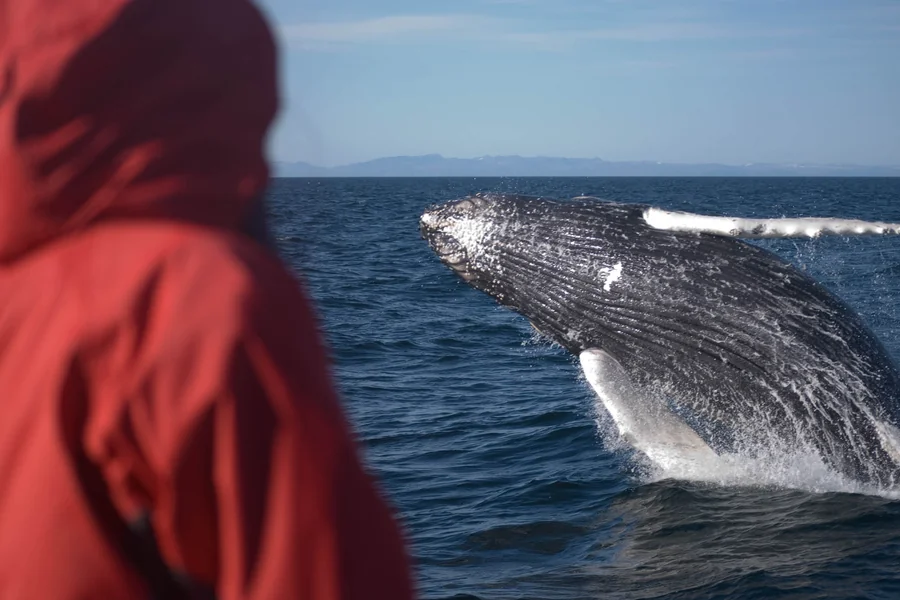
Whale watching tours offer a rare and unforgettable opportunity to witness some of the most magnificent creatures on Earth. The sheer size and grace of whales in their natural habitat leave visitors in awe, creating lasting memories of their interactions with the ocean’s giants. Whether you’re a seasoned marine enthusiast or a first-time traveler looking to explore the wonders of the sea, whale watching provides an unparalleled chance to connect with nature’s wonders.
In this article, we’ll delve into the wonders of whale watching, discussing the best times to take a tour, the types of whales you may encounter, and what you can expect from this breathtaking experience.
The Thrill of Observing Whales in the Wild
Whale watching tours have become a major part of eco-tourism worldwide. These tours not only offer a chance to marvel at the beauty of these majestic animals but also serve as a crucial reminder of the importance of marine conservation. For many people, seeing a whale in the wild is a life-changing experience, one that fosters a deeper understanding and appreciation of ocean ecosystems.
Whales are not just large, they are intelligent and complex animals, known for their social structures, migratory behavior, and even distinct vocalizations. Whether it’s the acrobatics of humpback whales breaching the water’s surface or the graceful movements of blue whales gliding through the ocean, these creatures bring joy and wonder to those lucky enough to witness them.
The Best Time for Whale Watching Tours
Timing is crucial when planning your whale watching experience. The migration patterns of whales are often tied to specific seasons, and understanding these cycles will help you maximize your chances of spotting them.
In regions like Hawaii, where whale watching tours are especially popular, the peak season occurs from December to April. During this time, humpback whales migrate from the colder waters of the North Pacific to the warmer waters of the Hawaiian Islands. This seasonal migration offers an extraordinary spectacle, with large groups of whales engaging in mating and calving behaviors.
In other parts of the world, such as the coasts of New Zealand, South Africa, or the Mediterranean, whale watching tours are popular at different times of the year. For example, in New Zealand, the best time to catch sight of the iconic sperm whale is from June to September. Each destination has its own peak season, so it’s worth researching the best times based on your location of interest.
Types of Whales You May Encounter on a Whale Watching Tour
Whale watching tours allow you to see a variety of whale species, each with their own unique characteristics and behaviors. Some of the most commonly sighted species include:
- Humpback Whales: Known for their remarkable breaching behavior, humpback whales are one of the most popular species to encounter. These whales are famous for their long migrations and complex songs. The sight of a humpback breaching the surface, splashing water around its massive body, is one of the most iconic moments on any whale watching tour.
- Blue Whales: As the largest animals to have ever lived on Earth, blue whales are a truly awe-inspiring sight. Although they are known for their massive size, blue whales are generally more elusive and can be harder to spot. Still, when encountered, their sheer size and grace as they move through the water leave a lasting impression.
- Gray Whales: Gray whales are often seen migrating along the coasts of North America. Known for their long migrations from the Arctic to the warmer waters of Baja California, these whales are often spotted close to shore. Gray whale calves are particularly charming to watch as they follow their mothers during migration.
- Sperm Whales: Famous for their large heads and deep diving abilities, sperm whales are another remarkable species encountered on whale watching tours. They are typically found in deep ocean waters and are known for their ability to dive to extreme depths, sometimes staying submerged for over an hour.
Each of these species brings a different element to the whale watching experience, offering a diverse range of behaviors, appearances, and habitats. For many enthusiasts, the thrill of spotting a rare species adds to the excitement of the journey.
What to Expect on a Whale Watching Tour
While the primary attraction on a whale watching tour is, of course, the chance to see whales, the experience often goes beyond simply observing these magnificent creatures. Tour operators usually provide a comprehensive experience that includes expert guides who are knowledgeable about marine life, conservation efforts, and the behavior of the species you may encounter.
Before heading out to sea, you can expect a brief educational session where the guide will share valuable information about the local whale populations, their migratory patterns, and what to look for during the trip. You’ll also be given a rundown on the dos and don’ts of whale watching, ensuring that the experience is as safe and respectful to the whales as possible.
Once on the water, the excitement begins. Depending on the location, you may travel on a variety of vessels, from small boats to larger ships. Regardless of the size, the goal is to get as close to the action as possible without disturbing the whales. Most tours follow a respectful “watching only” policy, ensuring that the whales’ natural behaviors are not disrupted by human presence. Keep in mind that sightings can never be guaranteed, but the guides’ knowledge of whale migration patterns greatly increases the chances of encountering these creatures.
As you venture into the ocean, the anticipation builds, and even the possibility of spotting other marine wildlife—such as dolphins, sea turtles, and a variety of seabirds—adds to the sense of wonder and excitement.
The Conservation Impact of Whale Watching Tours
Whale watching has grown into a multi-billion dollar industry, but it’s also one that plays an important role in marine conservation. By participating in a whale watching tour, you are directly contributing to the protection and study of whale populations. The funds generated from these tours help support research and conservation initiatives, which are essential for maintaining healthy ocean ecosystems.
In addition, whale watching tours often focus on educating the public about the environmental threats that whales face, such as climate change, pollution, and entanglement in fishing gear. Many tour companies collaborate with marine biologists and environmental organizations to promote sustainable practices that ensure whales and other marine species are protected for future generations.
It’s important to note that while whale watching tours offer a wonderful opportunity to see whales up close, they must be conducted responsibly. Tour operators must adhere to strict regulations and guidelines to minimize any negative impact on whale populations. These rules are designed to ensure that whales are not disturbed during critical times, such as when they are mating, giving birth, or resting.
Tips for a Successful Whale Watching Tour
To make the most of your whale watching experience, here are a few practical tips:
- Dress Appropriately: The weather on the open water can be unpredictable. Be sure to bring layers of clothing to stay warm and dry. Even on sunny days, it can get chilly on the water.
- Bring Binoculars: While you may get up close to some whales, it’s always helpful to have binoculars for spotting distant whales or observing behaviors in more detail.
- Have Patience: Whale sightings aren’t always immediate. Be prepared for a wait, but know that the payoff is worth it when you finally spot a whale.
- Respect the Environment: Follow the instructions of your guide and respect the whales’ space. By observing from a distance and following guidelines, you are helping to protect the animals and their habitat.
- Be Prepared for Motion: Whale watching often involves being out on the water for extended periods. If you’re prone to seasickness, it’s a good idea to take precautions beforehand.
The Emotional Impact of Whale Watching Tours
Beyond the educational and conservation benefits, whale watching has a profound emotional impact on many people. The first sighting of a whale—a majestic creature rising from the depths of the ocean—is a deeply moving moment. It can evoke feelings of awe, humility, and even a sense of connection to the natural world.
For many, witnessing these incredible creatures in their natural environment fosters a sense of responsibility to protect them and the oceans they inhabit. The experience serves as a reminder of the fragility of our planet’s ecosystems and the importance of sustainable practices to safeguard marine life for future generations.
Conclusion
Whale watching tours offer more than just the chance to see the world’s largest creatures in person—they provide a deeper understanding of the oceans, the importance of conservation, and the wonder of the natural world. Whether you’re watching humpback whales breach or catching a glimpse of a blue whale’s massive fluke, the experience is bound to leave a lasting impression. By participating in responsible whale watching tours, you contribute to the protection of these magnificent animals, helping to ensure that future generations can continue to enjoy the majestic dance of the ocean’s largest creatures.