
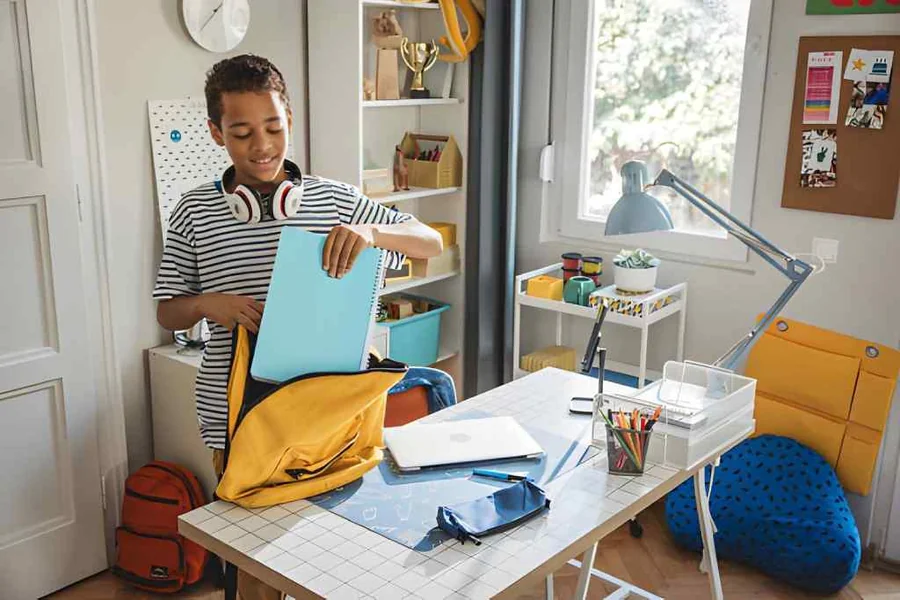
The right study space improves a child’s focus and learning habits by removing distractions and sending a clear signal to the brain that it is time to learn. By providing a dedicated, comfortable workspace, like a kid-friendly reading table, you create a consistent routine that reduces homework battles and naturally boosts your child’s memory and attention span.
An organized study space helps kids focus better and builds strong, lifelong learning habits. Giving your child a dedicated zone, starting with a kid-friendly workspace like a reading table for kids, removes daily distractions and primes their brain for schoolwork.
Every parent knows the daily struggle. You tell your child it is time for homework, and suddenly they need a snack, lose their pencil, or get distracted by a toy across the room. It feels like a constant battle.
But here is a secret: the problem might not be your child’s attention span. The problem might be where they are trying to learn. To help your child win at school, you need to give them a space that tells their brain exactly one thing: it is time to learn.
Why Does a Dedicated Study Space Matter for Kids?
A dedicated study space matters because it builds a mental habit of focus. When a child sits down in a space designed for learning, their brain automatically switches into school mode, reducing procrastination and making homework time much shorter.
Think of your child’s brain like a smartphone. If you have twenty apps open at the same time, the battery drains fast, and the phone slows down. Distractions in a room are like those open apps.
According to a study on learning environments, visual noise and cluttered rooms directly reduce a child’s ability to focus and absorb new details. When you create a specific learning zone, you close all those extra apps.
A dedicated space creates a clear boundary. It acts like a helpful cue that says, “This is where I do my growth work.” Over time, simply sitting in that spot makes it easier for them to start their tasks without a fight.
How Do You Design the Perfect Learning Environment?
The perfect learning environment relies on comfort, minimal clutter, and the right kid-sized furniture. Keeping supplies within arm’s reach and removing screens ensures your child stays on task without getting up and losing momentum.
Designing this space does not mean you need to remodel your house. It just means making a few smart choices. Here are the three pillars of a great study zone:
- Good Lighting: Place the workspace near a window for natural light, or use a bright desk lamp. Dim rooms make eyes tired and brains sleepy.
- Zero Digital Distractions: Keep TVs off and tablets in another room unless they are needed for a school assignment.
- The Right Tools: A proper reading table for kids provides a flat surface at the right height, keeping their bodies comfortable and their minds alert.
What is the Best Furniture Setup for Early Learners?
When kids use adult furniture, their feet dangle, and they have to stretch to reach the tabletop. This makes them wiggle and squirm. A child-sized desk and chair keep their feet flat on the floor and their back supported. This physical stability actually helps their brain feel stable and ready to focus too.
Active Spaces vs. Distraction Zones: A Quick Comparison
To see how a few simple changes make a massive difference, look at how a messy, shared space compares to a dedicated study zone.
| Feature | The Kitchen Table Setup | The Dedicated Study Zone |
| Noise Level | High (cooking, family talking, footsteps) | Low (quiet corner, calm background) |
| Physical Comfort | Low (chair too big, feet dangling) | High (ergonomic reading table for kids) |
| Supplies | Scattered (have to find a pencil every time) | Organized (bins for crayons, rulers, and paper) |
| Brain Cue | “This is where I eat and play games.” | “This is where I focus and learn.” |
Simple Steps to Build Your Child’s Study Space Today
Ready to set up a winning learning zone? You do not need a big budget. Just follow these quick, simple steps to get started today:
- Pick the Spot: Find a quiet corner in the living room or bedroom away from heavy foot traffic.
- Gather the Gear: Put pencils, paper, erasers, and crayons into small bins right on the reading table for kids. If they do not have to get up to find a tool, they will stay focused longer.
- Let Them Help: Let your child decorate the space with a favorite drawing or a fun nameplate. When they help build the space, they feel proud of it and want to use it.
- Set a Routine: Use the space at the same time every day. Consistency turns a new space into a powerful, lifelong habit.
Conclusion
Helping your child focus does not require magic. It just requires the right environment.
By setting up a quiet corner with a dedicated reading table for kids and removing daily distractions, you give your child the ultimate tool for school success. You will see fewer homework battles, better grades, and a much happier learner.
Take a look around your home today. Find a small, quiet corner, and talk to your child about how you can build their very own learning launchpad together!


