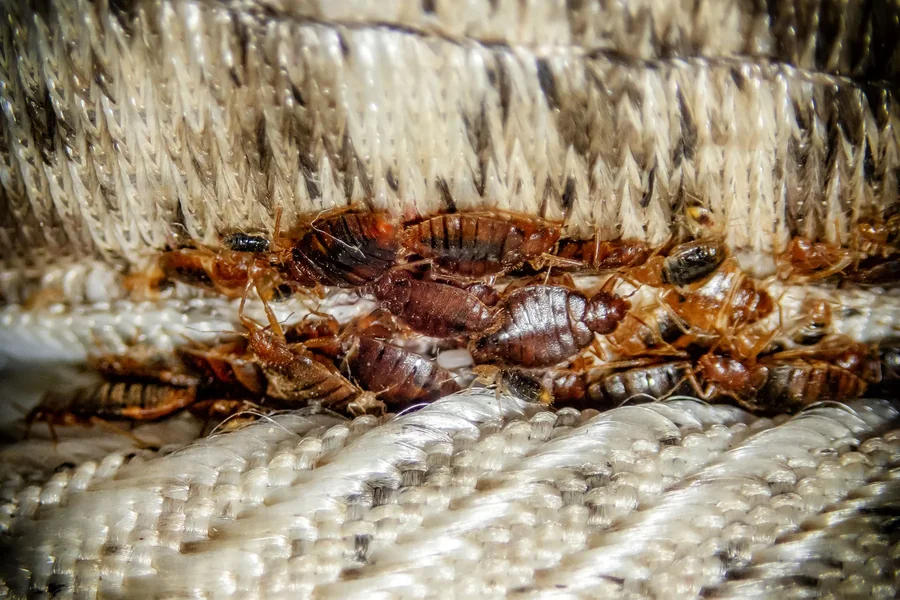
Bed bugs are notorious for their ability to remain hidden, especially during the early stages of an infestation. Their elusive nature often leads to delayed detection, allowing populations to grow and spread before any visible signs become apparent. Many people do not realize they have a problem until bites or other symptoms appear, by which time the infestation may already be well established. Understanding why bed bugs are so difficult to detect early on is crucial for effective management and prevention. This article examines the unique behaviors, biology, and environmental factors that contribute to the challenge of identifying bed bugs before they become a significant issue.
Why early detection is so challenging
Bed bug behavior and hiding habits
Bed bugs are masters of concealment, which is one of the primary reasons they are so difficult to detect in the early stages of an infestation. These insects are nocturnal, meaning they are most active at night when people are asleep. During the day, bed bugs retreat into tiny cracks and crevices, such as mattress seams, bed frames, baseboards, and even behind wallpaper. Their flat bodies allow them to squeeze into spaces as thin as a credit card, making visual detection extremely challenging. In the early stages, the population is small, and the bugs are spread out, further reducing the likelihood of spotting them. Bed bugs also tend to avoid open spaces and light, preferring to remain hidden until they sense the presence of a host. This behavior, combined with their ability to remain dormant for extended periods without feeding, allows them to go unnoticed for weeks or even months. As a result, infestations often go undetected until the population has grown large enough to cause noticeable signs, such as bites or visible bugs.
Subtle signs and misidentification
One of the most significant challenges in detecting bed bugs early is the subtlety of their signs. In the initial stages, the evidence left behind by bed bugs is minimal and often mistaken for other issues. For example, the bites caused by bed bugs can easily be confused with those from mosquitoes or other insects, as they often appear as small, red, itchy welts. Not everyone reacts to bed bug bites, so some individuals may not show any symptoms at all, further complicating detection. Additionally, the small dark spots that bed bugs leave behind, which are actually their excrement, can be mistaken for dirt or mold. Shed skins and eggs are tiny and often overlooked, especially in cluttered environments. Because these signs are so subtle and easily misidentified, many people do not realize they have a bed bug problem until the infestation has progressed. For those seeking bed bug treatment Salt Lake City, early detection is crucial to prevent the spread and escalation of the problem.
Bed bug biology and reproduction
The biology and reproductive habits of bed bugs contribute significantly to their ability to remain undetected in the early stages of an infestation. Bed bugs are small, with adults measuring only about the size of an apple seed, and nymphs being even smaller and nearly translucent. This makes them extremely difficult to spot, especially against light-colored bedding or furniture. Bed bugs reproduce quickly, with females laying hundreds of eggs over their lifetime. However, in the early stages, the population is still small, and the eggs are tiny, white, and often hidden in cracks or crevices. The eggs are coated with a sticky substance that helps them adhere to surfaces, making them even harder to find. Nymphs go through several molts before reaching adulthood, and each stage is adept at hiding. Because the initial population is so small and well-concealed, it can take weeks or even months before the infestation becomes noticeable. By the time visible signs appear, the population may have already grown significantly, making eradication more difficult.
Early infestations often go unnoticed
In the earliest stages of a bed bug infestation, the insects are few in number and tend to stay close to their hiding spots. This means that even thorough inspections can miss them, especially if the search is not conducted by someone familiar with their habits. Bed bugs are also adept at spreading to new areas, hitching rides on clothing, luggage, or furniture. This ability to move undetected allows them to establish new infestations in different rooms or even neighboring apartments before the original infestation is discovered. The lack of immediate, obvious signs means that people often attribute bites or other symptoms to other causes, such as allergies or other pests. This delay in identification allows the infestation to grow and spread, making control and elimination much more challenging once it is finally detected.
The importance of regular inspections
Regular inspections are essential for catching bed bug infestations in their early stages. Because bed bugs are so skilled at hiding and their signs are so subtle, relying solely on visible evidence is often not enough. Inspections should focus on common hiding spots, such as mattress seams, bed frames, and cracks in walls or furniture. Using a flashlight and a magnifying glass can help spot the tiny eggs, nymphs, or excrement that might otherwise be missed. In multi-unit buildings, inspections should be conducted regularly in all units, as bed bugs can easily move between apartments through walls, electrical outlets, or shared spaces. Early detection through regular inspections can prevent infestations from becoming widespread and difficult to control. It also allows for targeted treatment, reducing the need for extensive interventions and minimizing disruption to residents. Education about the signs of bed bugs and how to inspect for them is also crucial in preventing large-scale infestations.
Bed bug myths and misconceptions
Many myths and misconceptions surround bed bugs, which can contribute to delayed detection and ineffective control measures. Some people believe that bed bugs are only found in dirty or poorly maintained environments, but this is not true. Bed bugs can infest any home, regardless of cleanliness, as long as there is a source of blood for them to feed on. Another common misconception is that bed bugs are too small to see with the naked eye. While nymphs and eggs are tiny, adult bed bugs are visible if you know where to look. Some people also believe that bed bugs only infest beds, but they can be found in a wide range of locations, including couches, chairs, carpets, and even electrical outlets. These misconceptions can lead to a false sense of security and a lack of vigilance, allowing infestations to go undetected until they become severe. Dispelling these myths and providing accurate information is essential for early detection and effective management.
Quick facts about early infestations
Early bed bug infestations are often limited to a small area, making them easy to overlook. The insects tend to stay close to their food source, usually within a few feet of where people sleep or rest. Because the population is small, there may be few, if any, visible signs such as live bugs or shed skins. Bites may not appear immediately, and not everyone reacts to them, which can delay recognition of the problem. Regular monitoring and awareness of subtle signs are key to catching infestations before they spread.
Conclusion
Detecting bed bugs in the early stages of an infestation is a significant challenge due to their elusive behavior, subtle signs, and rapid reproductive cycle. Their ability to hide in tiny cracks and crevices, combined with the fact that not everyone reacts to their bites, means that infestations often go unnoticed until they have become well established. Misconceptions about where bed bugs can be found and how they behave further complicate early detection efforts. Regular inspections, increased awareness, and accurate information are essential tools in the fight against bed bugs. By understanding the factors that make early detection difficult, individuals and property managers can take proactive steps to identify and address infestations before they become widespread, ultimately protecting their homes and health.