Smartphone photography has undergone a massive transformation, largely thanks to AI. This technology elevates the camera experience, turning amateurs into semi-pros with just a tap. By seamlessly blending hardware prowess with intelligent software, AI innovations in smartphones are opening new realms of creative possibilities. From optimizing photo capture settings to enhancing low-light capabilities, AI’s influence is profound. It manages complex computations to deliver stunning photos that were once only achievable with dedicated professional cameras. The impact of AI in transforming average snapshots into breathtaking images is undeniable, prompting users to explore its potential. Discover how AI makes smartphone cameras smarter, taking convenience and captivating photography to the next level.
How AI Improves Photo Capture?
AI revolutionizes the way we take photos by automating complex processes. These enhancements aren’t just gimmicks; they tangibly improve image quality. Some key features include smart scene recognition, exposure adjustments, and detail enhancement. AI’s contribution ensures that each shot is optimized to bring out the best in each scene. Users gain sharper, more vibrant photos without requiring any manual tweaks.
Smart Scene Recognition & Auto Settings
AI-driven smart scene recognition is a marvel of modern smartphone cameras. This feature allows the camera to automatically identify the type of scene being captured — whether it’s a bustling cityscape, a serene landscape, or a dimly-lit dinner setting. By analyzing these contextual cues, the AI engine adjusts camera settings like exposure, shutter speed, and ISO to best suit the scene. This intelligent automation removes the need for user intervention, allowing users to focus on framing their shots without worrying about complex settings. The end result is a well-balanced photo that expertly captures the essence of the scene, making memories last with clarity and precision, showing the prowess of AI in everyday photography.
AI Exposure, Color & Noise Balancing
Achieving the perfect balance in photos often requires intricate adjustments. AI takes on this challenge by dynamically enhancing exposure, adjusting color tones, and minimizing noise. It leverages machine learning algorithms to analyze the ambient light and scene dynamics, ensuring photos are neither overexposed nor underexposed. By calibrating color hues accurately, AI delivers vivid images with natural-looking colors. Noise — the grainy texture often found in low-light photos — is systematically reduced, which enhances clarity. This automated precision results in photos that reflect scenes as intended, with balanced brightness and truer colors, ultimately enabling users to capture brilliant shots regardless of the challenging lighting conditions.
Detail Enhancement and Sharpness Boost
Detail enhancement and sharpness boost are critical for capturing the finer nuances in a photograph. AI technology excels in filtering out common sources of blurriness by refining edges and enhancing textures. The AI algorithms process the image data to discern and emphasize intricate details, making every line and shadow in the frame pop. This high-level computational power ensures that even the smallest details are not lost in translation, providing photographers with crisp and clear photographs. This boost is particularly evident in landscape or architectural photos, where every element comes through with precision. As camera intelligence becomes more advanced, buying decisions are often influenced by both performance and considerations like the HONOR Magic 8 Pro price in uae.
Advanced AI Features for Real-Life Results
AI in smartphone cameras goes beyond simple photography enhancements. It introduces advanced features that cater to various shooting scenarios. These AI-powered capabilities extend the camera’s functionality to provide users with authentic, real-world results, bridging the gap between smartphone and professional-grade photography.
AI Night Mode & Low-Light Enhancers
AI makes night photography compelling through its powerful night mode and low-light enhancement features. When shooting in dark environments, AI algorithms kick in to brighten the scene, capturing more detail while reducing noise. By stacking multiple frames and intelligently choosing the best parts of each, AI composes a comprehensive image that is both bright and sharp. This transformation from dark and grainy to illuminated and detailed means users can shoot confidently in any lighting condition. The dynamic range is improved, showcasing more of the scene without washed-out highlights or impenetrable shadows, proving AI’s capabilities in making the night come alive.
Object Detection & Subject Tracking
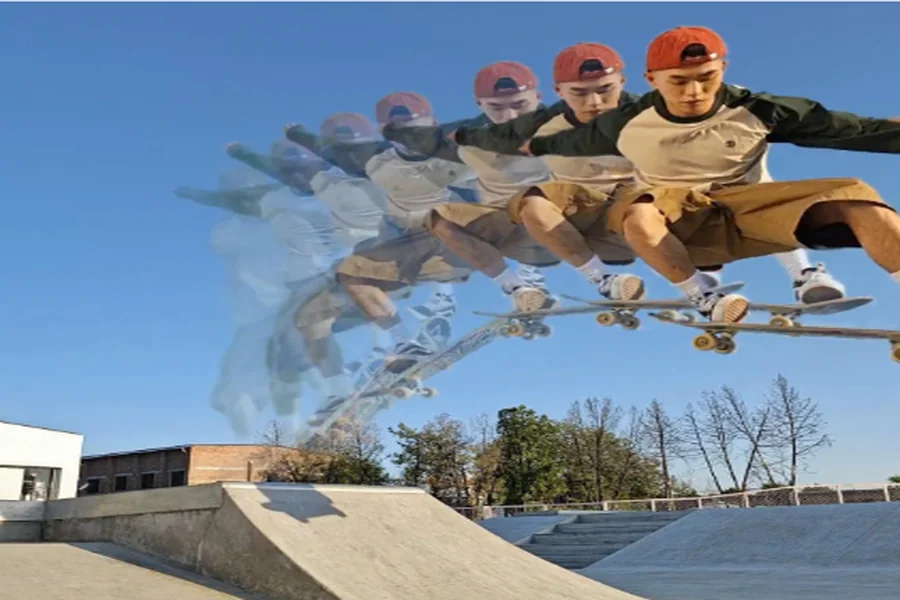
The integration of object detection and subject tracking redefines how motion and focus are managed in photography. AI distinguishes between different elements in a scene, recognizing faces, pets, and even inanimate objects with astounding accuracy. Once identified, AI keeps these subjects in sharp focus, even as they move. This ensures that whether capturing a bustling street or a playful pet, the focus remains steady. Additionally, subject tracking delivers an optimized shooting experience, so users can easily capture clear action shots. This precise focus and movement tracking, guided by AI, make dynamic photography seamless, enabling crisp, clear captures every time.
Video-Level AI Enhancements
AI’s role in video is just as transformative as in still photography. Video-level enhancements powered by AI are designed to improve stability, reduce shakiness, and enhance color balance. Real-time image processing during recording ensures vibrance and clarity, even in fast-moving scenes. The result is silky smooth video playback akin to professional-grade equipment. Furthermore, AI employs stabilization and frame interpolation to create fluid transitions that are pleasing to the eye. Automated exposure and focus adjustments make sure the footage looks great across varied lighting conditions. These enhancements turn ordinary users into capable filmmakers, capturing captivating narratives with ease.
Conclusion
AI integration in smartphone cameras is more than a mere trend; it’s a leap forward in accessible and quality photography. By automating and enhancing camera functions, AI empowers users to capture high-quality images without needing specialized skills. From scene recognition to night mode and more, AI features foster creative expression and innovation. The future of smartphone photography looks bright, driven by further advancements in AI. As technology continues to evolve, AI promises to bridge the gap even more between casual users and professional photographers, making remarkable photos and videos achievable for everyone. AI isn’t just shaping photography; it’s revolutionizing it.