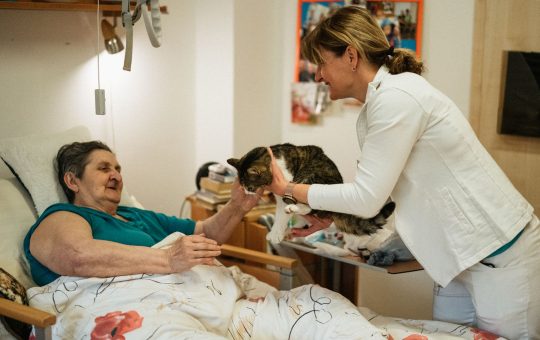
When a family member transitions to assisted living, relationships do not have to become distant or strained. While the move brings changes to daily routines and living arrangements, it also creates opportunities for families to build strong connections through intentional communication and involvement. With thoughtful efforts, families can remain an important part of their loved one's life and continue sharing meaningful experiences together.
1. Establish Regular Communication Routines
Consistency is often more important than frequency when maintaining family connections. Setting a regular schedule for phone calls or video chats gives everyone something to look forward to and helps ensure communication remains a priority.
For example, families may choose to connect every Sunday afternoon or schedule brief check-ins several times a week. Having a dedicated routine helps communication become a natural part of everyday life rather than something that is easily postponed.
Video calls can be especially valuable because they allow family members to share smiles, expressions, and visual moments that strengthen connection. Letters, emails, and text messages also give residents something tangible to revisit between conversations. Even short, consistent interactions can help residents feel connected and included.
2. Plan Meaningful In-Person Visits
Visiting in person creates opportunities for shared experiences that strengthen family relationships. Rather than focusing solely on conversation, consider participating in activities together during visits.
Families might:
- Share a meal in the community dining room
- Attend a community event or performance
- Take a walk around the community grounds
- Play games together
- Look through photo albums
- Participate in holiday celebrations
- Attend family nights or special events
Planning visits around enjoyable activities often creates more relaxed and memorable experiences. Informing your loved one ahead of time can also build anticipation and excitement for the visit.
For families exploring care options that support ongoing family involvement, Assisted Living in Quincy offers Assisted Living services designed to support resident engagement, family participation, and meaningful social connections within a welcoming community environment.
3. Include Your Loved One in Family Events and Decisions
Moving to assisted living should not mean becoming disconnected from family life. Including your loved one in family updates, celebrations, and important conversations reinforces their continued role within the family.
Families can:
- Share photographs from family gatherings
- Make video calls during holidays and celebrations
- Ask for advice on family decisions
- Include loved ones in milestone events
- Share news about children, grandchildren, and extended family members
Many older adults appreciate having opportunities to contribute their knowledge, experiences, and perspectives. Remaining involved helps reinforce a sense of purpose and belonging while strengthening family relationships across generations.
4. Build Positive Relationships With Community Team Members
Team members play an important role in helping residents stay connected with their families. Taking time to introduce yourself and develop positive relationships with staff can help improve communication and enhance the overall experience for everyone involved.
Families can share information about:
- Personal interests and hobbies
- Family traditions
- Favorite activities
- Career experiences
- Important life events
- Personal preferences
This information allows team members to better understand the resident as an individual and support meaningful interactions. Staff members can also provide updates about programs, events, and achievements that families may want to discuss with their loved one.
A collaborative relationship between families and team members helps create a supportive environment centered on the resident's well-being.
5. Create New Family Traditions
A move to assisted living often marks the beginning of a new chapter, which can be an ideal time to establish new family traditions. Creating predictable and enjoyable experiences helps everyone maintain a sense of connection and continuity.
Examples of new traditions might include:
- Monthly family lunches
- Regular game nights
- Seasonal celebrations
- Shared movie afternoons
- Holiday decorating events
- Birthday gatherings
- Family photo projects
These traditions provide opportunities to create new memories while maintaining important family bonds. They also give residents something positive to anticipate throughout the year.
6. Stay Involved in Community Life
Many assisted living communities offer events, educational programs, performances, and celebrations that welcome family participation. Attending these activities demonstrates support while giving families a better understanding of their loved one's daily life.
Participation may include:
- Resident celebrations
- Community dinners
- Educational presentations
- Wellness events
- Holiday activities
- Volunteer opportunities
Being present for these experiences can help residents feel supported and encouraged while providing natural opportunities for conversation and shared enjoyment.
Conclusion
Staying connected after a move to assisted living requires intention, but it can lead to rewarding relationships for both residents and their families. Regular communication, meaningful visits, involvement in family life, partnerships with community team members, participation in community events, and the creation of new traditions all help strengthen family bonds.
A move to assisted living does not have to create distance. Instead, it can provide an opportunity to build new routines and experiences that keep loved ones connected, valued, and actively involved in family life. With ongoing communication and engagement, families can continue nurturing meaningful relationships while supporting their loved one's comfort, well-being, and sense of belonging.