



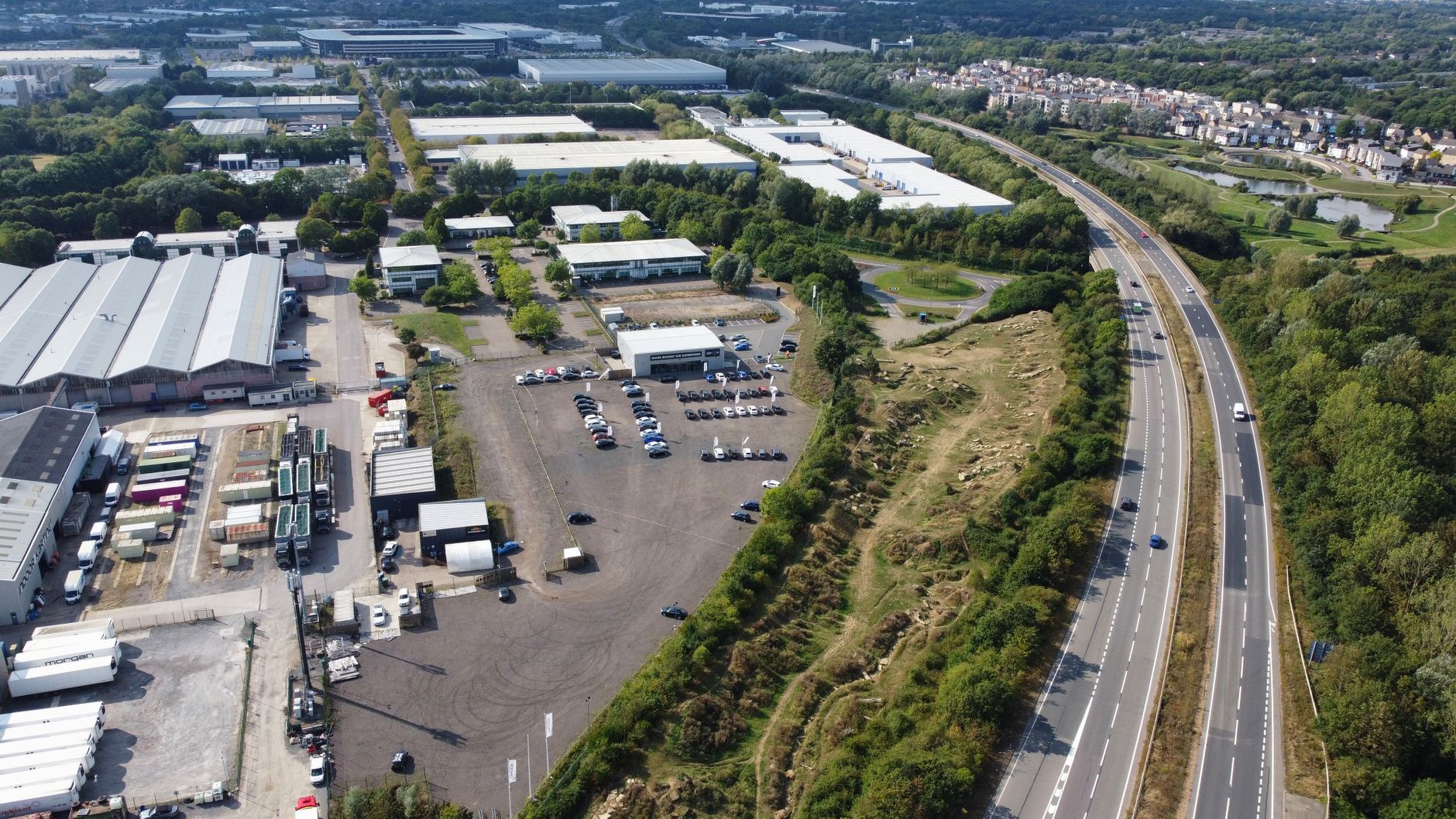
Before a condominium takes shape, its land acquisition story offers an early perspective on how developers assess its potential. For Langdon Heights, that story begins with a Dover Drive site that attracted six bids from local and foreign developers. The response provides a compelling starting point for understanding the project: several development teams saw sufficient promise in the same address to compete for the opportunity to shape its future.
The new condominium by Forsea Holdings, Qingjian Realty and Jianan Capital carries that competitive backdrop into its next chapter. For discerning homebuyers, the interest surrounding the site adds context to the development’s positioning. It is not a substitute for examining the eventual homes, but it explains why this parcel deserves attention beyond the usual language of a new launch.
Six Bids Reveal More Than Passing Interest
A land bid represents a considered commercial decision. Developers typically weigh acquisition costs, development possibilities, market conditions and prospective buyer demand before making a submission. When a site draws six bids, the significance lies in the number of parties prepared to translate their assessment into a formal offer. That is a more meaningful expression of interest than general enthusiasm for a neighbourhood.
The breadth of participation is especially relevant here. Interest from both local and foreign developers suggests that the opportunity resonated across different business perspectives. These bidders need not have shared identical plans or financial assumptions. Rather, the common thread was a willingness to compete for the same Dover Drive parcel, giving the site a distinctive commercial backstory.
Why the Langdon Heights Site Invited Competing Visions
Development land is evaluated not only for what exists today, but also for what a future residential project could offer. A bidder must consider how an address might translate into homes that buyers recognise as relevant and desirable. The six-bid response suggests that multiple developers identified a credible opportunity to create a residential offering here.
That does not mean every bidder imagined the same development. One might place greater emphasis on spatial planning, another on architectural expression or the balance of shared and private spaces. Without access to their proposals, those priorities cannot be established. What the tender response does demonstrate is that the site offered scope for more than one developer’s investment thesis.
Dover Drive Anchors the Commercial Appeal
The address is central to this story. Land cannot be separated from its surroundings, and developers assessing a Dover Drive site would naturally consider how its location could influence residential appeal. For a future homeowner, that same principle applies on a more personal level: the right address must support everyday routines as well as longer-term plans.
Rather than treating location as a decorative selling point, the bidding response invites a closer examination of its practical value. Buyers considering the condominium can assess their preferred travel patterns, neighbourhood expectations and household priorities against the actual setting. The tender interest provides a reason to investigate, while individual needs determine whether the address is ultimately the right fit.
Local and Foreign Participation Broadens the Perspective
The combination of local and foreign interest adds another dimension to the site’s appeal. Developers approaching Singapore land opportunities may bring different market experience, capital considerations and development strategies. Participation across those backgrounds suggests that the parcel was not attractive only through a single commercial lens. Its potential was considered by a wider field of competitors.
For buyers, this is best understood as evidence of developer interest at the point of tender, rather than a prediction of future performance. Six bids do not guarantee capital appreciation, rental returns or resale demand. They do, however, establish that the opportunity attracted competition from parties willing to pursue a substantial development commitment.
From Competitive Land Interest to a Residential Proposition
With Forsea Holdings, Qingjian Realty and Jianan Capital behind Langdon Heights, attention turns from the competition for the land to the homes that will emerge from it. The important question is how the development translates the site’s perceived potential into a persuasive residential proposition. Architecture, layouts, landscaping and shared spaces become meaningful when they respond coherently to the setting and the intended residents.
This is where the acquisition story meets the buyer’s experience. A keenly contested site provides an engaging introduction, but lasting appeal depends on the quality and suitability of the finished offering. Buyers should therefore read the six-bid history alongside verified project information as it becomes available, rather than allowing the tender narrative alone to shape a purchase decision.
A Competitive Beginning Worth Understanding
For those comparing new condominiums, the distinction is useful. The number of bids offers insight into the land’s reception among developers; the project details reveal how that opportunity is being realised for homeowners. Considering both creates a more rounded view than relying solely on launch presentation or assuming that competition for land automatically translates into value for every buyer.
Langdon Heights begins with a clear point of distinction: its Dover Drive site drew six bids from local and foreign developers. That competitive foundation gives the development a substantive story, rooted in the choices made before its launch. As buyers explore what Forsea Holdings, Qingjian Realty and Jianan Capital bring to the address, the tender response remains a relevant signal of the potential that several developers recognised in the same piece of land.
