The best 70s style formal dresses don’t look retro — they look expensive. That’s the thing most people miss before they go searching.
Think about Zendaya’s recent awards circuit appearances. Column silhouettes, halter necklines, earth-toned jerseys. Nothing screams disco. Everything reads like a woman who knows exactly what she’s doing. That’s the reference point worth holding onto as you shop.
What Actually Defines a 70s Formal Dress (Beyond the Disco Clichés)
Disco is one corner of the decade, not the whole picture. Real 70s formal wear was quieter. Halston’s 1972 Studio 54 column dress — fluid, minimal, skimming the body without clinging — is the archetype most designers reference today. No sequins. No fringe. Just cut and fabric doing the work.
The decade valued movement over structure. Dresses that flowed, draped, and responded to the body replaced the stiff, architectural shapes of the 1960s. And that shift is exactly why 70s style formal dresses keep resurfacing on red carpets fifty years later.
The Silhouettes That Made the Decade — Halter, Column, and Bias-Cut Explained
Halter necklines peaked between 1974 and 1977. They bare the shoulders and upper back, creating a line that photographs beautifully. Column dresses run straight from shoulder to hem — no waist emphasis, deliberately serene. And bias-cut silhouettes, where fabric is cut diagonally across the grain, allow the dress to mold to the body without stretch fabric. They also use less material, which makes them a genuinely sustainable construction method.
Diane von Furstenberg’s 1974 wrap dress belongs in this conversation too. Wraparound styles became a formal option fast, especially in printed jersey. Three distinct silhouettes. One decade. All still relevant.
Color Palette and Fabric: Why Jersey and Earth Tones Still Work on a Modern Body
Jersey dominated 70s formal wear because it travels well, drapes naturally, and doesn’t require a lining. Burnt orange, rust, tobacco brown, warm cream, and deep olive are the signature tones. They read warm under evening light in a way that cool-toned colors simply don’t.
Notice how often Zendaya lands in these shades — because she clearly has. They photograph like film, not flash. That’s not a coincidence; that’s a deliberate choice about how fabric and light interact.
Where to Buy Authentic or Inspired 70s Formal Dresses Right Now (and What to Pay)
You don’t need a vintage shop. ASOS carries bias-cut and halter-style formal options from around $85. Reformation runs $150–$220 for jersey column dresses cut close to original proportions. For actual vintage, expect to pay $60–$300 depending on condition and label — Halston originals start much higher. So there’s a genuine range here, from accessible to investment.
| Retailer | Style Focus | Price Range |
|---|---|---|
| ASOS | Halter, wrap, bias-cut | $85–$130 |
| Reformation | Column, jersey formal | $150–$220 |
| Vintage/eBay | Authentic originals | $60–$300+ |
How to Style a 70s Formal Dress Without Crossing Into Halloween Territory
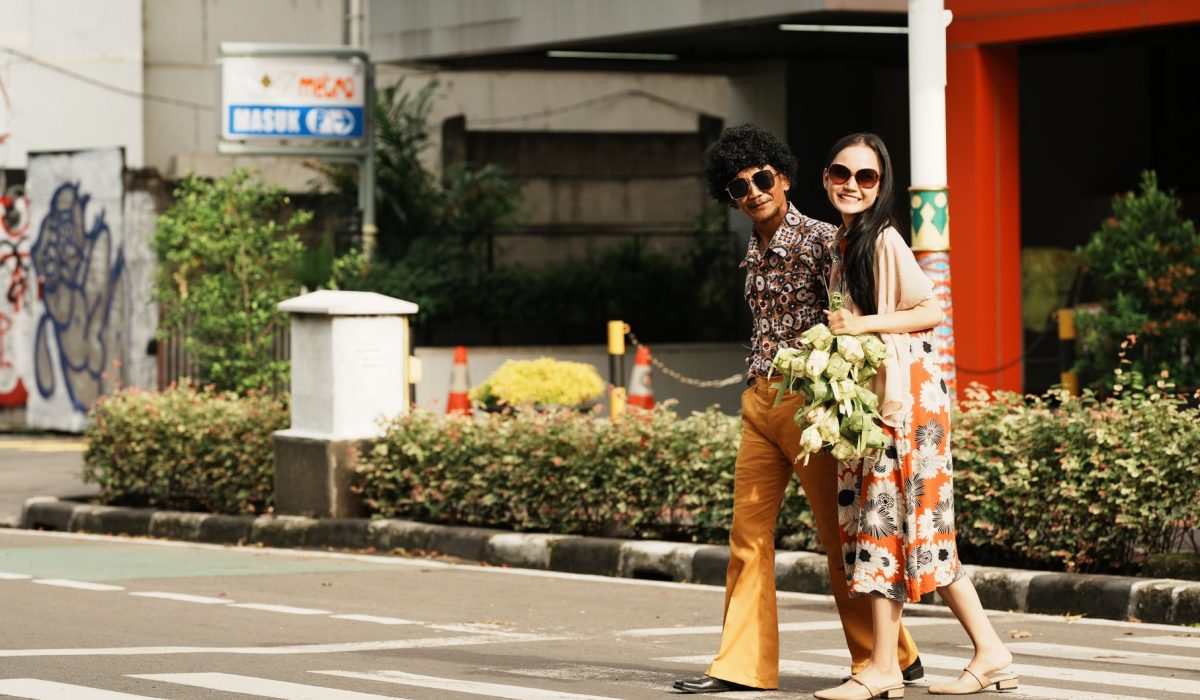
Keep accessories modern or neutral. A strappy barely-there heel, a minimal gold chain, clean hair. The moment you add a wide-brimmed hat, round tinted glasses, and a fringed bag together, you’ve built a costume — not a look. Pick one vintage-coded accessory and leave the rest contemporary.
Makeup matters here. Soft, warm skin tones and a simple lip anchor the look in now rather than then. But it’s a fine line, and one overcrowded accessory is all it takes to cross it.
Frequently Asked Questions
What shoes work best with a 70s formal dress?
Strappy heeled sandals in nude or metallic gold are the most versatile option. Platform mules also work well with column and bias-cut styles. Avoid chunky boots — they pull the silhouette in a different decade entirely.
Are 70s inspired formal dresses appropriate for weddings?
Yes, particularly wrap and bias-cut styles. Stick to earthy tones or warm ivory. Avoid anything too revealing for a daytime ceremony — a halter neckline in jersey is perfectly acceptable for an evening reception.
How do you tell if a vintage 70s dress is authentic?
Check the label for union tags — American-made garments from this era often carry ILGWU labels. Look for natural fiber content like polyester-jersey blends (not modern stretch fabrics), metal zippers rather than plastic, and serged interior seams. Authentic pieces will also have a slightly narrower fit through the hips than modern cuts.
Making the Look Work for You
70s style formal dresses earn their place in a current wardrobe because they solve a real problem — they’re elegant without being stiff. The jersey fabric, the bias cut, the halter neckline: all of it moves with a body instead of fighting it. Start with one silhouette. Keep the accessories restrained. And you’ll land closer to a modern red carpet than a vintage costume shop.
For more pieces like this one, browse the rest of our Fashion coverage.