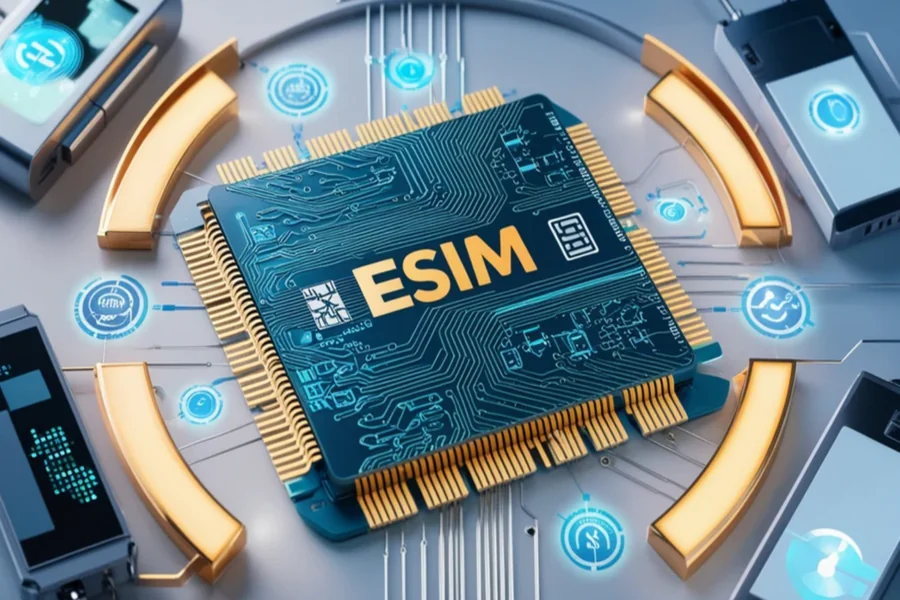
Many travelers hesitate before trying eSIM technology because of confusing advice and half-truth claims. Some believe it costs more than regular SIM cards, while others fear complex setup steps. Rumors spread quickly online and create doubt about reliability and safety.
Clear facts make a big difference when choosing mobile data options. An affordable travel eSIM can replace physical cards without extra hassle or hidden complications. Misunderstandings usually come from outdated information. Check these factors carefully and read this article to gain more knowledge before you decide.
-
eSIM Works Only on Expensive Phones
One common myth suggests that eSIM technology works only on premium smartphones. Many mid-range devices now support eSIM features through built-in software. Compatibility depends more on model release year than price tag.
Device settings clearly show if eSIM activation is available. However, older phones may lack this feature entirely. A quick check in network settings or on the manufacturer’s website confirms support. Affordable models released in recent years frequently include eSIM capability without high cost requirements.
-
eSIM Setup Is Too Complicated
Some travelers avoid eSIM because they assume the process feels technical. Activation usually involves scanning a QR code and following simple prompts inside phone settings. The steps take only a few minutes when the instructions are clear.
Guides provided by service providers explain each step clearly. Therefore, users rarely face serious problems during installation. Careful reading of instructions prevents mistakes. Preparation before departure ensures activation completes smoothly without last-minute stress at the airport.
-
eSIM Plans Cost More Than Physical SIMs
Another myth claims that digital plans always cost more. Pricing depends on provider structure and included data volume. Competitive rates exist across many regions, especially for short-term travel use.
Comparison tools allow users to review coverage and price details side by side. An affordable travel eSIM can match or even beat the cost of traditional roaming fees. Transparent pricing helps travelers stay within budget while still enjoying stable connectivity during their trip.
-
eSIM Cannot Provide a Strong Signal
Signal strength does not depend on the SIM format. eSIM plans connect to the same local carriers that physical SIM cards use. Network performance relies on carrier partnerships and regional coverage.
Users receive similar speeds and coverage as standard SIM customers. So, streaming, messaging, and browsing continue without noticeable difference. Performance remains stable in major cities and tourist hubs when the provider partners with reliable local networks.
-
eSIM Is Not Secure
Security concerns discourage some people from adopting digital SIM technology. eSIM profiles use encrypted downloads that protect user information during installation. Carrier authentication adds another layer of safety.
Physical SIM cards can also face risks if lost or stolen. Digital profiles remain stored inside the device, which reduces tampering. Hence, strong passwords and updated software increase protection. Careful device security practices enhance overall safety when using eSIM abroad.
-
eSIM Cannot Support Multiple Plans
Another misunderstanding suggests that eSIM limits users to one plan. Many smartphones allow storage of multiple eSIM profiles at once. Users can switch between them directly through settings.
Dual SIM capability enables one line for home use and another for travel data. This flexibility benefits business travelers and long-term visitors. Also, switching profiles requires only a few taps. Simple management gives users greater control over their mobile connectivity.
-
eSIM Does Not Work for International Travel
Some believe eSIM suits domestic use only. International coverage remains one of its strongest advantages. Regional and global data packages support travel across several countries under one profile.
Travelers avoid repeated SIM purchases at each border. However, checking coverage details before purchase remains essential. Selecting the right plan ensures data access across every destination on the itinerary. Global compatibility has made eSIM popular for frequent flyers and remote workers alike.
-
eSIM Technology Is Just a Passing Trend
Skeptics sometimes describe eSIM as a temporary innovation. Major smartphone manufacturers and global carriers continue to expand support. Industry adoption signals long-term commitment rather than short-term experiment.
Manufacturers design new devices with eSIM integration as a standard feature. Therefore, growth continues across the travel and telecom sectors. Expanding compatibility indicates that digital SIM technology has secured a stable place in modern mobile communication systems.
Misunderstandings about eSIM technology can discourage travelers from exploring its benefits. Clear information reveals that setup remains simple, pricing can stay competitive, and performance matches traditional SIM cards. Strong security measures and wide international coverage strengthen its appeal. Flexible profile storage and expanding device support confirm its reliability. Careful research and proper plan selection help travelers enjoy smooth, stable connectivity without unnecessary worry.