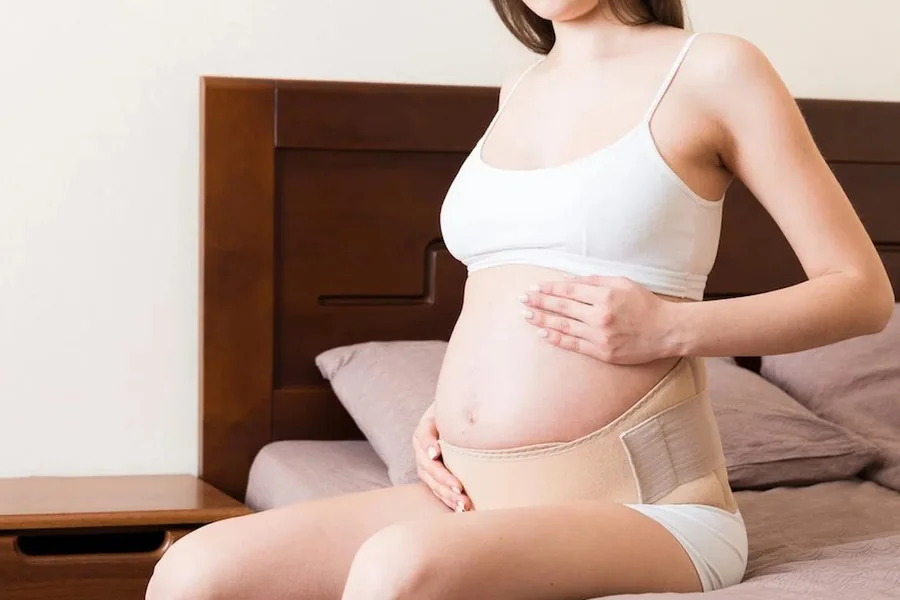
Many people, from new moms to people recovering from surgery or dealing with hernias, have quietly started using abdominal belts as a support tool. But even though they are very popular, there is still a lot of confusion about who needs one and when it is okay to wear one.
This guide breaks down in simple, useful terms whether or not an abdominal belt is right for you. Let’s get started.
What is an abdominal belt?
A wide, supportive band worn around the middle of the body is called an abdominal belt. It helps support the abdomen. It gently compresses the muscles in the abdomen, which helps keep the core stable and lowers stress during recovery or everyday tasks.
People often use abdominal belts for:
- Recovering after giving birth
- Supporting for hernias
- Healing after surgery
- Stabilizing the back and core
- Mild correction of posture
The secret is to use the right type at the right time.
Who Should Wear an Abdominal Belt?
1. New moms after giving birth
After giving birth, one of the most common uses is the abdominal belt. The abdominal muscles get weaker and stretched after pregnancy. A lot of women say that wearing a belt helps them feel more supported during the first few weeks of recovery.
Benefits for moms after giving birth:
- Gives gentle pressure
- Helps support weak core muscles
- Could help lessen the heavy feeling in the stomach
- Provides support for the back while caring for the baby
- Promotes better posture
When to start: Most experts say it’s okay to use it a few days after a normal delivery. You have to wait until your doctor says it’s okay after a C-section.
Important: An abdominal belt after giving birth is not a magic weight loss tool.
2. People who have an abdominal hernia
Your doctor may suggest an abdominal hernia belt, which is also called a hernia support belt, if you have a hernia. This type is made to put pressure on the hernia site in a specific way.
Who might benefit:
- People who are waiting for hernia surgery
- People who can’t have surgery
- People who need help for a short time while doing everyday things
- People who have a mild hernia but still have to work
How it helps:
- Keeps the hernia small (in place)
- Reduces pain while moving
- Gives your stomach more support
- May help stop the hernia from getting worse (but does NOT cure it)
Important reminder: An abdominal hernia belt is not a permanent treatment; it is a management tool. In many cases, surgery is the only way to fix the problem.
3. Patients After Surgery
After surgeries on the stomach, like a tummy tuck, hernia repair, or other procedures, doctors often suggest wearing an abdominal belt.
Why it helps:
- Lessens stress on surgical stitches
- Helps keep swelling down
- Gives gentle pressure
- Helps with movement while recovering
Belts are often used in the following surgeries:
- C-section
- Fixing a hernia
- Liposuction
- Cosmetic surgery on the stomach
- Surgery on the gallbladder (in some cases)
Always wear the belt according to your surgeon’s recommendation.
4. People with weak cores or back pain
Some people wear abdominal belts to support their stomachs when they have mild core weakness or lower back pain.
Good choices:
- People who work hard physically
- People who have mild problems with their posture
- Those who are getting back to work after an injury
- Seniors who need more core stability
The belt works like an outside support system to help ease pressure on the lower back.
But using it every day for a long time without doing strength training is not a good idea because your muscles still need to work.
5. People who want to lose weight and get fit (with caution)
You may have seen belts that say they can help you lose weight or train your waist. They can make you sweat and compress your body for a short time, but they don’t directly burn fat.
Benefits:
- Better posture while working out
- Awareness of the core
- Temporary waist shaping under clothes
- Help during light exercise
What they DON’T do:
- Get rid of belly fat
- Change your workout
- Make your waist smaller for good
Don’t use them as a way to get things done faster.
When is it a good idea to wear an abdominal belt?
The time is just as important as the person wearing it.
The best times to wear it
- During the first few weeks after giving birth
- After the surgery that the doctor said was okay
- While doing light tasks every day
- When the core is weak
- When taking care of a reducible hernia.
- For short periods of time, when you have to do physical work.
When NOT to Wear It
If you need to, don’t use it or only use it a little when:
- Your doctor hasn’t given you the all-clear after surgery.
- You have trouble breathing.
- The belt makes you feel pain or numbness.
- You use it all day without stopping.
- You think it will take the place of core exercise.
- You have a strangulated or incarcerated hernia (a medical emergency).
How long should you wear an abdominal belt every day?
This depends on what you want to do.
Here are some general rules:
- After giving birth, 6 to 8 hours a day (as your doctor says)
- Hernia support: When you’re active
- After surgery, do what the surgeon says to do
- General support: Use for short periods of time and for activities
The most important thing is to take breaks. Your muscles still need to work naturally.
How to Use an Abdominal Belt Safely
Here are some useful tips to get the most out of your abdominal support:
- Pick the Right Size
If your belt is too tight, it can make it hard to breathe and move blood. - Put It in the Right Place
It should fit snugly around the lower abdomen, not too high on the ribs. - Don’t make it too tight
You should be able to move and breathe easily. - Work with light exercise
This is very important for people who wear an abdominal belt after giving birth. - Listen to what your doctor says
Especially important for people who have had surgery or have a hernia.
How to Tell If Your Abdominal Belt Isn’t Working Right
Keep an eye out for these warning signs:
- Rashes or irritation on the skin.
- More pain or pressure.
- Tingling or numbness.
- Trouble breathing.
- Worsening bulge (for people with hernias).
If you see any of these, stop using the belt and talk to a doctor.
Final Thoughts
A belly belt can be very useful, but only if you use it the right way. If you’re a new mom and a physician has recommended you to buy an abdominal belt after giving birth, if you have a hernia and are using an abdominal hernia belt, or if you just want some extra support for your abdomen, the most important thing is to use it on purpose and with guidance.
Don’t think that some miracle will happen, but think of the belt as a helpful friend on your journey of getting better or more comfortable. If you follow the right medical advice, move around gently, and have realistic expectations, it can make a big difference in how comfortable.